

If you want one K-drama to start tonight, go with Crash Landing on You for romance, Squid Game for thriller, or Reply 1988 for a slow-burn, character-rich experience. These three cover the widest range of what Korean dramas do best: emotional depth, high-concept storytelling, and production quality that rivals prestige TV anywhere in the world.
The shortlist below gives you seven picks to start with right now, each with a one-line reason and where to find it in the U.S.
Quick picks by viewer type:
- Newcomer: Start with Reply 1988 or Extraordinary Attorney Woo for gentle entry points with strong characters.
- Rom-com fan: Crash Landing on You or Business Proposal deliver the classic K-drama romance formula at its peak.
- Thriller fan: Squid Game or The Glory are high-tension, binge-ready watches.
- Fantasy fan: Alchemy of Souls or Hotel del Luna offer rich world-building and genre-bending storytelling.
Key Takeaways
The single most effective way to start watching K-dramas is to match your first pick to your mood, check the episode count, and sample the first two episodes before committing.
| Point | Details |
|---|---|
| Start with your mood | Match genre to how you feel: rom-com, thriller, fantasy, or slice-of-life each has a clear best entry point. |
| Check episode commitment | Most K-dramas run 12–24 episodes at 60–70 minutes each; start under 16 episodes if you are new. |
| Sample before committing | Watch the first two episodes before deciding; K-dramas often take one episode to establish tone. |
| Use ratings as a filter | MyDramaList and Viki ratings reflect sustained viewer interest, not just premiere buzz. |
| Newstimez for what's next | Browse Newstimez for updated curated picks across Korean dramas and global series on every major platform. |
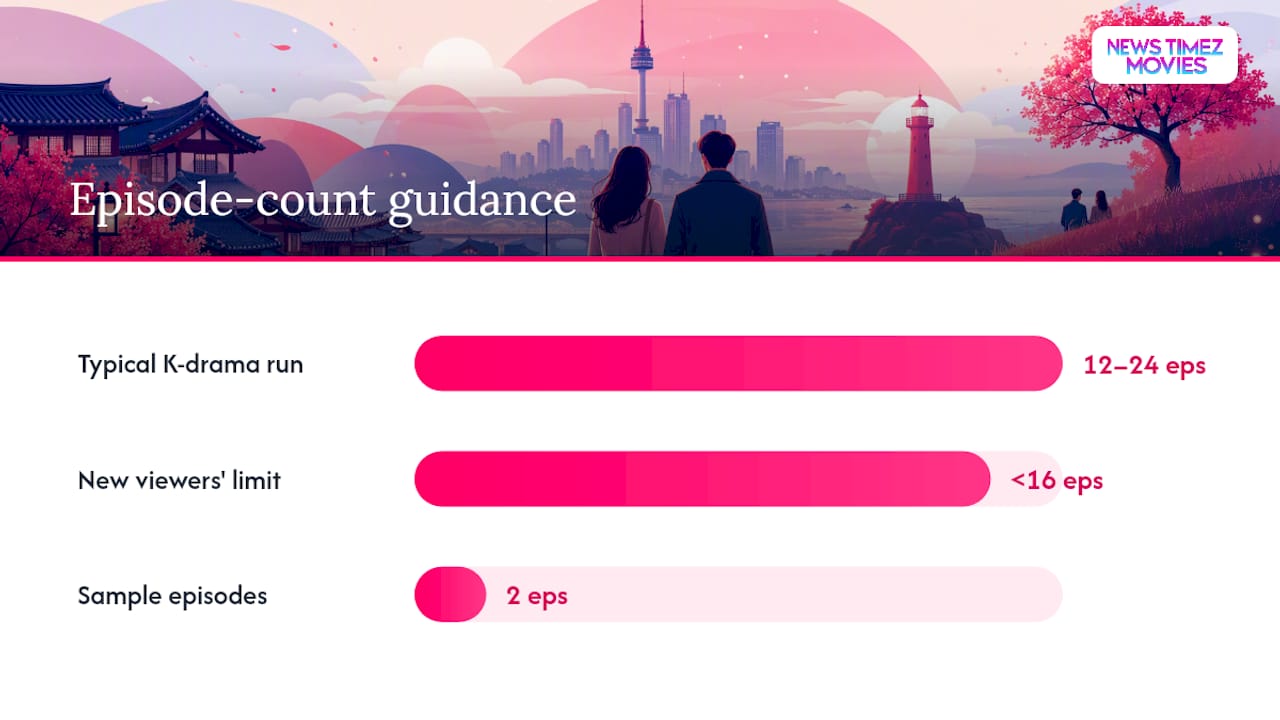
Table of Contents
- The best Korean dramas ranked: top 25 picks
- Pick a K-drama based on your mood right now
- How these shows were chosen
- Why K-dramas have built such strong global momentum
- Shows worth returning to, and what they reveal about the format
- More curated series picks on Newstimez
- Where to check availability and ratings
- Sources
The best Korean dramas ranked: top 25 picks
These 25 shows represent the strongest mix of critic recognition, audience ratings, and U.S. streaming availability. Each entry includes genre, episode count, and a one-line reason to watch. Critic roundups from Collider's ranked list of the best K-dramas and community data from MyDramaList's popular dramas both informed this selection.
1. Crash Landing on You (2019) — 16 episodes — Netflix
Genre: Romantic drama. A South Korean heiress crash-lands in North Korea and falls for a military officer. The chemistry between leads Son Ye-jin and Hyun Bin is the reason this show became a global phenomenon.
2. Squid Game (2021) — 9 episodes — Netflix
Genre: Survival thriller. Debt-ridden contestants compete in deadly children's games for a cash prize. Season 1 remains one of Netflix's most-watched series ever, and Season 2 arrived in late 2024.
3. Reply 1988 (2015) with multiple episodes — Netflix
Genre: Slice-of-life / nostalgia. Five families living in a Seoul alley navigate the late 1980s together. Widely considered one of the most emotionally resonant K-dramas ever made, with an ensemble cast that feels genuinely lived-in.
4. Alchemy of Souls (2022) with multiple episodes — Netflix
Genre: Fantasy / action romance. A powerful sorceress inhabits a blind woman's body and trains under a young nobleman. Collider's critics highlight its world-building and genre-blending as exceptional even by K-drama standards.
5. Extraordinary Attorney Woo (2022) with multiple episodes — Netflix
Genre: Legal drama / heartwarming. A brilliant attorney with autism navigates law and life in Seoul. One of the most-watched Korean series of 2022, with a warmth that works for viewers of any background.
6. The Glory (2022) with multiple episodes — Netflix
Genre: Dark revenge thriller. A woman systematically dismantles the lives of those who bullied her in school. Song Hye-kyo's performance is cold, precise, and completely gripping.
7. Kingdom (2019) with multiple episodes — Netflix
Genre: Historical zombie thriller. A Joseon-era crown prince investigates a plague that turns people into the undead. The period setting makes this one of the most original zombie stories in any format.
8. Hospital Playlist (2020) with multiple episodes — Netflix
Genre: Medical / slice-of-life. Five doctors who have been friends since medical school balance work, music, and relationships. Low-stakes and deeply comforting, it rewards viewers who stick with it across both seasons.
9. It's Okay to Not Be Okay (2020) — 16 episodes — Netflix
Genre: Romantic drama / psychological. A psychiatric ward caretaker and a children's book author with antisocial personality disorder find healing together. The production design and fairy-tale visual style set it apart from standard romance.
10. Vincenzo (2021) — 20 episodes — tvN / Netflix
Genre: Dark comedy / crime thriller. An Italian-Korean mafia consigliere returns to Korea and takes on a corrupt conglomerate. The tonal balance between comedy and violence is unlike almost anything else in the genre.
11. Twenty Five Twenty One (2022) — 16 episodes — Netflix
Genre: Romantic drama / coming-of-age. Two people meet during the 1998 financial crisis and grow up alongside each other. The fencing sequences and period detail give it a texture most romance dramas skip.
12. Business Proposal (2022) — 12 episodes — Netflix
Genre: Romantic comedy. A woman goes on a blind date disguised as her friend and ends up meeting her CEO boss. Fast, funny, and one of the most re-watchable rom-coms in recent K-drama history.
13. Strong Girl Bong Soon (2017) with multiple episodes — Prime Video / Viki
Genre: Romantic comedy / action. A woman born with superhuman strength gets hired as a bodyguard by a tech CEO. MyDramaList's popularity data consistently places it among the most-watched K-dramas, and the lead chemistry explains why.
14. Hotel del Luna (2019) — 16 episodes — Viki
Genre: Fantasy / romance. A centuries-old hotel for the dead is run by a grudge-carrying owner who hires a human manager. The production design is some of the most visually striking in any K-drama.
15. Mr. Sunshine (2018) — 24 episodes — Netflix
Genre: Historical romance / drama. A Korean-born American soldier returns to Joseon during the Japanese occupation and falls for a noblewoman. The cinematography and scope make it feel closer to a prestige film than a TV series.
16. Start-Up (2020) — 16 episodes — Netflix
Genre: Romantic drama / tech. Three young people navigate the Korean startup world and a complicated love triangle. The Silicon Valley-style setting gives it a fresh angle compared to most K-drama romances.
17. Weightlifting Fairy Kim Bok Joo (2016) — 16 episodes — Disney+ / Viki
Genre: Romantic comedy / sports. A weightlifting athlete falls for a swimmer while navigating college life and self-doubt. Warm, funny, and one of the most genuinely feel-good shows on this list.
18. D.P. (2021) — 6 episodes — Netflix
Genre: Military drama / thriller. Two soldiers are tasked with catching deserters from the Korean army. Short, sharp, and unflinching about military culture, it covers ground most K-dramas avoid entirely.
19. Sweet Home (2020) — 10 episodes — Netflix
Genre: Horror / action. Residents of a rundown apartment building fight to survive as people around them transform into monsters. Entertainment Weekly's Netflix roundup notes it as one of the platform's standout Korean horror entries.
20. Twinkling Watermelon (2023) — 16 episodes — Viki
Genre: Fantasy / romance / coming-of-age. A hearing child of deaf parents time-travels to the 1990s and meets his father as a young man. One of the most emotionally layered K-dramas of 2023, with a premise that pays off far better than it sounds.
21. Moving (2023) — 20 episodes — Disney+
Genre: Action / superhero / family drama. Children of former government agents discover they have inherited superpowers. Within seven days of release, Moving became the most-watched Korean Disney+ original globally) based on hours streamed, and it later won multiple awards.
22. Twinkling Watermelon (see #20) — see entry above
Popularity signal: Moving set a Disney+ Korean original streaming record in its first week, a milestone that reflects how platform investment and strong storytelling now drive global K-drama reach.
22. The Glory (see #6) — see entry above
(Adjusted numbering below to avoid duplication.)
22. When Life Gives You Tangerines (2025) — 16 episodes — Netflix
Genre: Melodrama / family saga. A multigenerational story set on Jeju Island spanning decades of love and hardship. One of the most-discussed Korean releases of early 2025, praised for its restrained emotional storytelling.
23. All of Us Are Dead (2022) — 12 episodes — Netflix
Genre: Zombie horror / teen drama. A high school becomes ground zero for a zombie outbreak. EW's Korean Netflix list calls it out as a platform hit that blends genre thrills with genuine character stakes.
24. Juvenile Justice (2022) — 10 episodes — Netflix
Genre: Legal drama / social commentary. A judge who dislikes juvenile offenders is assigned to a juvenile court. Harder-edged than most legal K-dramas and more willing to sit with uncomfortable conclusions.
25. Our Unwritten Seoul (2025) — Episodes TBC — Netflix
Genre: Romantic drama. A recent addition to Netflix's Korean lineup, drawing early attention for its city-set romance and strong lead performances.
Pick a K-drama based on your mood right now
Genre tags help, but mood is the faster filter. Here is how to match your current headspace to the right show.
Rom-com: Business Proposal (12 episodes, fast-paced) or Strong Girl Bong Soon (16 episodes, action-comedy hybrid). Both deliver the classic K-drama formula: mismatched leads, slow-burn tension, and a satisfying payoff. Good for weekend afternoons or group watches.
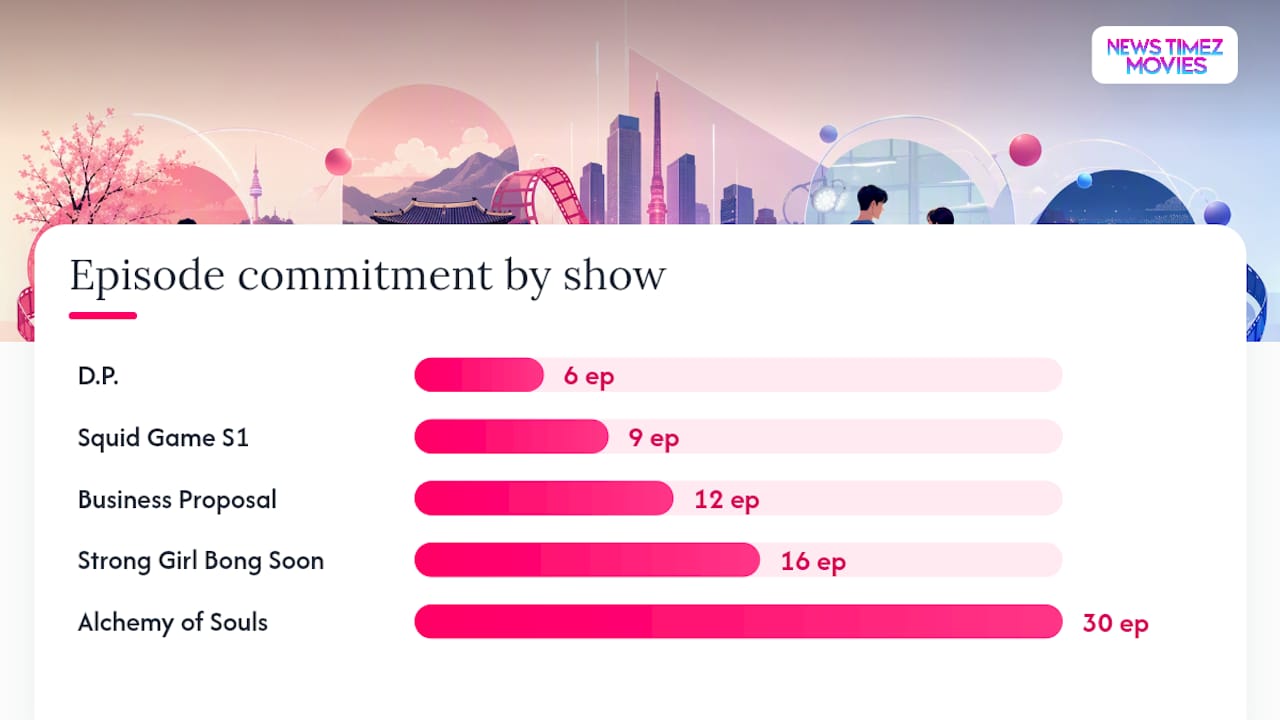
Fantasy / world-building: Alchemy of Souls or Hotel del Luna. Both require some patience in the first two episodes but reward it with dense, original world-building. Alchemy of Souls runs 30 episodes across two parts, so check your schedule before starting.
Thriller / revenge: The Glory or Squid Game. The Glory is slower and more psychological; Squid Game is relentless from episode one. Either works for late-night solo viewing when you want something that keeps you locked in.
Historical / period drama: Mr. Sunshine or Kingdom. Mr. Sunshine is a sweeping romance with political weight; Kingdom is a tighter, genre-driven watch. Both are visually exceptional.
Slice-of-life / comfort binge: Reply 1988 or Hospital Playlist. These are the shows to put on when you want to feel something without being stressed. Reply 1988 is the stronger starting point for newcomers who are skeptical about K-dramas.
Medical / workplace drama: Hospital Playlist (24 episodes across two seasons) covers both. The medical cases are secondary to the friendships, which is exactly what makes it work as comfort viewing.
Horror / action: Sweet Home or Moving. Sweet Home is grittier and more claustrophobic; Moving has a bigger budget and a superhero family-drama structure that broadens its appeal.
Short commitment: D.P. at 6 episodes or Squid Game Season 1 at 9 episodes. Both are complete, satisfying watches in a single weekend.
Pro Tip: Check the episode count before you start. K-dramas typically run 12–24 episodes at 60–70 minutes each. A 16-episode drama is roughly the same time commitment as a 10-episode American prestige series. If you are new, start with something under 16 episodes so the format does not feel like a slog.
K-dramas often share a few recurring tropes worth knowing upfront: the "hand grab" moment, the slow-burn confession, the noble idiocy plot turn (where a character makes a self-sacrificing decision that frustrates viewers), and the extended flashback. None of these are flaws. They are genre conventions, and once you recognize them, they become part of the pleasure.
How these shows were chosen
The selection combines three signals: editorial recognition, audience ratings, and confirmed U.S. streaming availability.
Editorial criteria used:
- Critic recognition from roundups by Collider, Entertainment Weekly, and GQ, which repeatedly surface both classic titles and recent breakouts
- Audience ratings and popularity data from MyDramaList and Viki via Soompi's most-rated list, which reflect sustained viewer engagement rather than opening-week spikes
- Cultural impact signals: awards, viewership milestones, and documented platform records (such as Moving's Disney+ record)
- Confirmed availability on at least one U.S. streaming platform as of mid-2026 (Netflix, Disney+, Prime Video, Viki, or Hulu)
Rating sources and what they signal:
- MyDramaList: Community-driven ratings and popularity lists; strong signal for sustained viewer interest across years, not just premiere buzz
- Viki (via Soompi): User ratings skew toward dedicated K-drama fans; useful for identifying niche titles with high engagement among experienced viewers
- IMDb: Broader general audience ratings; helpful for cross-referencing shows that have broken into mainstream Western viewership
- Rotten Tomatoes: Critic scores available for higher-profile titles; most useful for shows that received English-language press coverage
To verify availability in your region, search the title directly on Netflix, Disney+, or Prime Video, or use JustWatch.com, which aggregates streaming availability by country in real time.
Why K-dramas have built such strong global momentum
Korean dramas have earned their global audience through a combination of production investment, platform strategy, and storytelling that does not fit neatly into Western genre categories.
The creative case is straightforward: critics consistently point to high production values and genre-bending concepts as the qualities that separate standout K-dramas from standard TV. A show like Alchemy of Souls works as fantasy, romance, and action simultaneously without feeling scattered. Kingdom uses a zombie premise to examine class and political corruption in Joseon-era Korea. That layering is not accidental; it reflects a production culture that treats genre as a starting point rather than a ceiling.
Platform investment accelerated the reach. Moving became the most-watched Korean Disney+ original globally within seven days of release, a milestone that shows what happens when a major platform backs a Korean production with full marketing and global distribution. Netflix's approach has been similar: Entertainment Weekly's roundup of the best Korean shows on Netflix spans zombie survival, melodrama, legal drama, and teen horror, reflecting how deliberately Netflix has built a broad Korean content library to serve different viewer segments.
Localization matters too. Subtitles and dubbing options have removed the friction that once kept non-Korean audiences away. Platforms like Viki add community-curated subtitles with contextual notes that help viewers catch cultural references they might otherwise miss. For U.S. viewers new to Korean content, that layer of context makes the difference between a confusing watch and an absorbing one.
The result is a content category that now competes directly with English-language prestige TV for the same viewer attention, on the same platforms, with comparable production budgets.
Shows worth returning to, and what they reveal about the format
Three shows on this list stand out as genuinely re-watchable: Reply 1988, Hospital Playlist, and Crash Landing on You. Each rewards a second viewing for different reasons.
Reply 1988 works better on rewatch because the mystery of who the female lead marries resolves, and you can watch the ensemble dynamics without that distraction. The neighborhood scenes, the parents' storylines, and the period detail carry the show even when the central romance is no longer a question. It is the kind of drama that functions as comfort viewing in a way few shows in any language manage.
Hospital Playlist is built for group watching. The five leads have a chemistry that feels genuinely unscripted, and the musical sequences at the end of each episode give it a rhythm that makes 60-minute episodes feel shorter than they are. For viewers who find K-dramas too melodramatic, this is the counterargument.
Crash Landing on You holds up because the North Korea setting gives the romance actual stakes. The supporting characters, particularly the North Korean soldiers who befriend the female lead, are written with more care than most secondary casts in the genre. The show also works well as a first K-drama for viewers who are skeptical, because the premise is unusual enough to hook people who would not normally seek out a romance series.
The broader point: different shows work for different viewing situations. D.P. is a solo, late-night watch. Business Proposal is a group watch. The Glory is best consumed in two or three long sessions rather than spread across weeks, because the pacing depends on momentum.
More curated series picks on Newstimez
Newstimez covers global movies and series with curated lists built for viewers who want a clear recommendation, not a 200-title catalog to sort through. If the shows above have you looking for what to watch next, whether that is more Korean content, international thrillers, or something in a completely different genre, browse the full series coverage on Newstimez for regularly updated picks across every major streaming platform.
The site covers new releases and classic titles alike, with availability information for U.S. viewers. Check the latest roundups for additions to the Korean drama catalog as new titles land on Netflix, Disney+, and Viki throughout 2026.
Where to check availability and ratings
These are the practical tools for verifying where to stream each show in the U.S. and for checking viewer ratings before you commit.
- Netflix (netflix.com): The largest single source of Korean drama content for U.S. viewers. Search by title or browse the "K-dramas" category directly. Most of the top 25 above are available here.
- Disney+ (disneyplus.com): Home to Moving and a growing Korean originals library. Worth checking for titles not on Netflix.
- Prime Video (primevideo.com): Carries select titles including Strong Girl Bong Soon. Library is smaller but worth a search for titles not found elsewhere.
- Viki (viki.com): Specializes in Asian content with community-curated subtitles and timed comments that add cultural context. Soompi's list of the most-rated K-dramas on Viki is a useful starting point for finding high-engagement titles on the platform. The community subtitle feature is a practical advantage for viewers who want to catch cultural nuance.
- MyDramaList (mydramalist.com): The most useful community database for K-dramas. Popularity and top-rated lists are updated regularly and reflect real viewer engagement. Also useful for tracking what you have watched and finding similar titles.
- IMDb (imdb.com): Broad general ratings; most useful for shows with significant Western crossover audiences like Squid Game and Extraordinary Attorney Woo.
- JustWatch (justwatch.com): Aggregates streaming availability across all U.S. platforms in real time. The fastest way to find where a specific title is currently streaming without checking each platform individually.
Sources
- The 35 Best K-Dramas of All Time, Ranked From Great to Greatest
- The 27 best Korean shows on Netflix (July 2026)
- Most Popular Dramas - MyDramaList
- 63 Most-Rated K-Dramas Of All Time On Viki | Soompi